

Note: This post was written as part of The Best Picture Project blogathon that my fellow LAMB blogger Ruth is hosting over at Flixchatter. In honor of Oscar week, she has asked several bloggers to pick one film from each decade to write about. Check out all of the entries HERE.
The date is Sunday, March 21, 1999 and five films have been nominated for the 71st Academy Award for Best Picture: Elizabeth, Life Is Beautiful (La Vita E Bella), The Thin Red Line, Saving Private Ryan and Shakespeare In Love. Between them, there were a total of 45 nominations.
The year is known as one of the most controversial, with fans of Saving Private Ryan, in particular, feeling that Spielberg’s war drama was far superior to the romantic comedy of eventual winner Shakespeare In Love. I suspect that there are some stereotypical genre and gender considerations fueling those flames, but my goal in this post is not to take sides. Rather, I want to reflect on what the win teaches us about the Oscars, in the hopes of understanding them and making us better predictors.

The Importance Of Acting
While my blog tries to look at all of the Academy’s 24 categories, I have to admit that I started watching the Oscars for the stars, and you probably did too. When was the last time you saw a Sound Mixer get interviewed on the red carpet? Some folks even use the lesser known categories as a chance to go refill their drink or grab some food. But that celebrity fascination that drew us all in also has a real impact on the awards themselves.
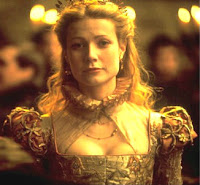
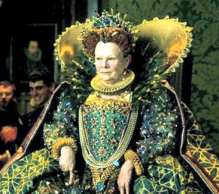
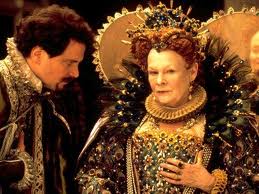
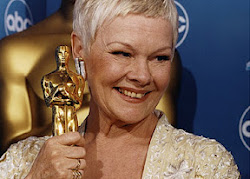
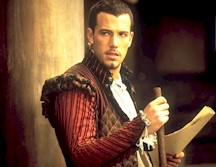
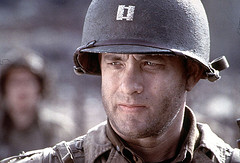
Twenty percent of the Academy is made up of actors, and it stands to reason that they might have a higher opinion of films that highlight their own craft. Looking purely at the numbers, Shakespeare In Love won two acting awards for Gwyneth Paltrow and Judi Dench, and picked up an additional nomination for Geoffrey Rush, while Saving Private Ryan only received one nod for Tom Hanks, a previous double winner who some believe was starting to overstay his welcome.
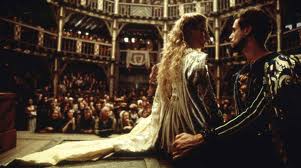
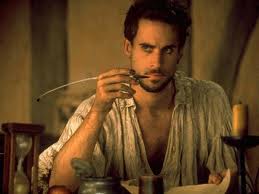
But it’s about more than the numbers. Shakespeare In Love is about the the stage: From the ultimate screenwriter William Shakespeare, to the costumes and sets, to movie actors pretending to be theater actors. It may be set further back in time, but it is a world to which Academy members can easily relate.
By contrast, when I hear proponents of Saving Private Ryan rave about the film, the first thing they mention is never Tom Hanks or Matt Damon or Vin Diesel. Instead, they talk about the battle scenes. The opening segment, in particular, is an amazing directorial and technical achievement, but the actors are maybe the fifth or sixth most impressive aspect of it, and that’s a problem when it comes awards time. As human beings, we relate more to other human beings. We want to see their faces, to know their names, and to (pretend to) know them. I dare you to name the four Sound Mixers who won for this award without looking them up on IMDB, or even to tell me with a straight face that you pick movies based upon the work that they are doing today. The story of Saving Private Ryan may have been about the importance of a single person, but the impact of the film was elsewhere.

Picking Your Technical Categories.
I was going to call this section “The Power Of Period Pieces”, but let’s be honest, World War II is a historical period as well, even if the military prefers to call their clothing “uniforms” instead of “costumes.” The two films actually received an equal number of technical nominations, but the categories where they succeeded were different, with Shakespeare In Love excelling in elements such as art direction and costume design, while Saving Private Ryan took cinematography, film editing, sound editing and sound mixing.
Because the various technical branches have much smaller memberships than the acting branch, people often claim that these categories “go their own way”, often accounting for single nominations of films that might otherwise be forgotten. In reality, however, the acting branches often boast single nominations as well, with the difference being that there are enough branch members to assure that some of them are always represented in the best picture lineup.
But even taking this into consideration, there is no doubt that a certain hierarchy exists among the technical branches, with cinematography and film editing often sticking closely to the best picture lineup, art direction and costumes often going to prestige pictures, and categories like sound editing and visual effects being reserved for those summer blockbusters. Which brings another factor....

Coming Soon To A Theater Near You
Film lovers often get annoyed that the studios release all of the Oscar bait at the end of the year, but Shakespeare In Love is a perfect example of why they do that. Let’s face it, Saving Private Ryan wasn’t really marketed as an Oscar film. It was a summer blockbuster, released in July to maximize box office sales. It turned out to be a well-done film, and one that touched on historical issues, but it’s target audience was the same demographic who flocks to Star Wars and superhero films. There’s nothing wrong with that, of course, and the expanded Best Picture category is intended to sweep in some of those crowd favorites, but they aren’t typically Oscar’s cup of tea.
In contrast, Shakespeare In Love’s release schedule was designed to take advantage of awards season momentum. It had a limited qualifying release in December, but didn’t open across the country until January, keeping the film fresh in the minds of voters and audiences during the critical voting period. It even competed in competition at the Berlin International Film Festival right in the middle of its Oscar campaign, picking up the Silver Bear for Screenwriting and another award for Director John Madden, and--most importantly-- providing it festival credibility as a piece of art, rather than simply a crowd pleaser.
The British Block
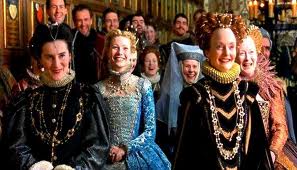
That run at the Berlin Film Festival also speaks to another issue, which is the European sensibility, and particularly the power of the British Block. Yes, Saving Private Ryan was set in Europe, but it was about Americans, and portrayed a specifically American view of the war. Shakespeare In Love, by contrast, highlighted all the things that make Europe, and particularly Britain, stand out. You have Shakespeare, royalty, the Globe, and the gowns. It received a grand total of 15 BAFTA nominations. It’s not merely about them, it also portrays them in a way that they want to be seen.


Harvey Weinstein, Awards God
Oscar watchers like me know that having your film picked up by Harvey Weinstein instantly puts you on the map, but people forget that Shakespeare In Love is one of only two films where he has personally been nominated for an Oscar, and the only time where he actually won!
Harvey has an amazing eye for understanding what the Academy likes, but it is more than that. It’s also economics. Other studios build their lineup around summer tent poles, but Harvey has built his reputation and his business model specifically (though not exclusively) around the awards season. When your professional attention, as well as your income, is tied so closely to these outcomes, it is no surprise that you get results.
Girls Just Wanna Have Fun
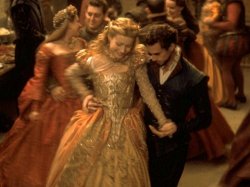
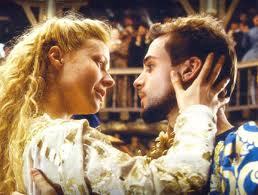
While the Oscars sometimes have a reputation for focusing on serious films, years that feature close races often go to the film that leaves people feeling good. Saving Private Ryan may be impeccably shot, but war is a bit of a downer, especially when contrasted with romance and comedy. Shakespeare In Love also features beautiful cinematography and art design, and the costumes are much more fabulous than that drab green and brown. It makes you smile with its witty script, and you have fun because the characters are having fun.
In addition to how the film makes us feel, it’s also important to think about how voting for the film makes the Academy feel. They love to reward the (relatively) little film that could, and it’s hard to blame them. Most of these people spend the day working on Transformer sequels or the multiplex selection of the week when they’d prefer to be making art, and awards season gives them an opportunity to vicariously be a part of those adventures. In this case, that translated into Shakespeare In Love receiving 13 Oscar nominations and winning 7 of them.

Don’t Let The Haters Fool You
Despite what haters such as The Daily Show correspondent John Oliver may believe, Shakespeare In Love is a great film, with many great elements, and much of the disdain toward it comes as the result of sour grapes. Which also provides a lesson about Oscar history: While winning is nice, the extra hype often leads to a disproportionate backlash from critics who were cheering for another film. My advice is to ignore the haters and appreciate the film for the gem that it is. I think you’ll find that you enjoy it, and you just might decide that you agree with the Academy after all!

